Short-Term Rental Website in Albania: Direct Bookings and the Registration Code
What the website of a short-term rental apartment or villa in Albania needs: a calendar synced with Airbnb and Booking, nightly prices without commission, the registration code proposed in the draft tourism law, self check-in and pages for foreign guests.
- Published on
The website of a short-term rental apartment or villa has to show guests, before they pay, which dates are free, what their stay costs, exactly where the property is, how they get in without waiting for someone, and what the house rules are. Airbnb and Booking bring new guests but take a commission on every stay. Your own site lets returning guests and people who find you on Google or Instagram book directly. There is also a new reason: Albania’s draft tourism law, in public consultation since late October 2026, provides that every short-term rental unit is registered on e-Albania and given a unique code to show in online listings.
This guide covers apartments and villas in cities and on the coast, including those owned by people who live abroad and manage them remotely. For a guesthouse or agritourism with a restaurant and farm produce, read our guesthouse and agritourism website guide.
Sources, platform terms and reports on the draft law were checked on 12 November 2026. The draft has not been adopted and its final text may change; we will update this article when it is.
What the website needs
One to three apartments need only a few pages, but each should answer a question guests would otherwise send you as a message.
| Page | What it contains | The question it answers |
|---|---|---|
| Home page | Real photos of the property, the town or beach, the booking button and the registration code. | “Is this the place we are looking for?” |
| A page for each apartment or villa | Photos of every room, beds, capacity, kitchen, air conditioning, balcony, internet, parking and a “from” price. | “Where will we sleep and what is inside?” |
| Calendar and prices | Free dates, seasonal nightly prices, minimum stay, cleaning and cancellation terms. | “What does it cost for our dates?” |
| Location | A map, walking minutes to the beach or centre, parking and how to arrive from the airport or bus station. | “How do we get there and how far is it?” |
| House rules | Check-in and check-out times, quiet hours, smoking, pets, number of guests and the deposit. | “What is allowed?” |
| FAQ and contact | The answers you type most often on WhatsApp, a phone number with +355 and an email address. | “Who do we ask if something goes wrong?” |
Do not hide the price behind a “Message us” button. Guests compare several properties at once and move on when a site does not show it. Say what is included, too: cleaning, towels, a beach umbrella and loungers, or a parking space.
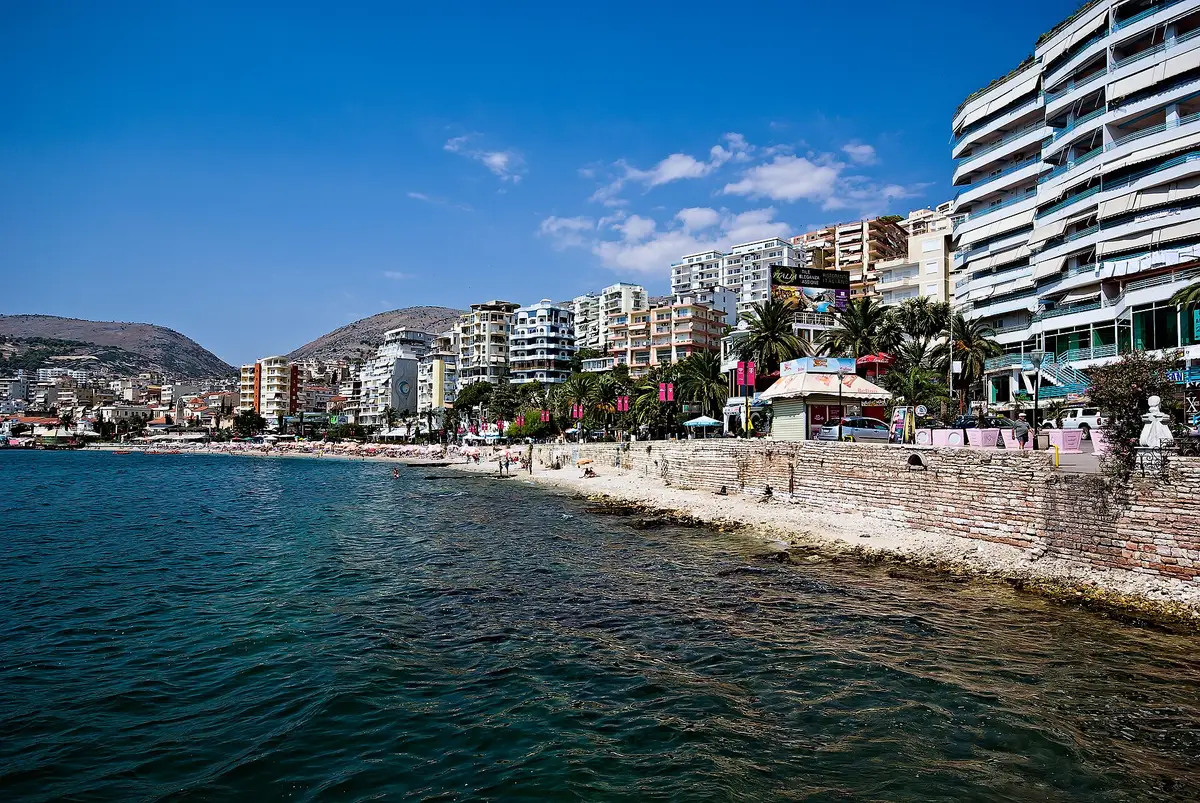
Calendar and nightly price
The first risk of direct booking is a double booking: the same night sold on Airbnb and on your site. Connect the site’s calendar to the platforms in one of these ways:
| Method | How it works | When it suits you | What to check |
|---|---|---|---|
| Calendar linked by iCal | Airbnb and Booking give you a calendar link to add to your site’s booking software, and the other way round. | One or two apartments with few direct bookings. | The sync is not instant: Airbnb says connected calendars update at different times and can be refreshed manually. |
| Channel manager | Syncs dates, prices and bookings between the platforms and your site. | Three or more units, or when you change prices often. | The cost per unit, the Airbnb and Booking connections, and how guests pay for a property in Albania. |
| Request by form or WhatsApp | The guest sends dates; you confirm and block the dates on the platforms. | When direct bookings are rare. | That you reply the same day; an unanswered request is a lost booking. |
Your price carries no platform commission, but direct booking has its own costs: the booking software, card fees and time spent on messages. Before you price below Booking, read the parity terms in your contract. We explain how they work, and why Albania falls under wide parity, in Booking, Airbnb and the price on your website, and the costs in what direct bookings save and cost. Even at the same price, every night booked directly saves the commission.
Show the total for the selected dates, including cleaning and any other fee, not just the nightly rate. For long stays, such as a month in winter, say whether you offer a monthly price and how electricity and water are paid.
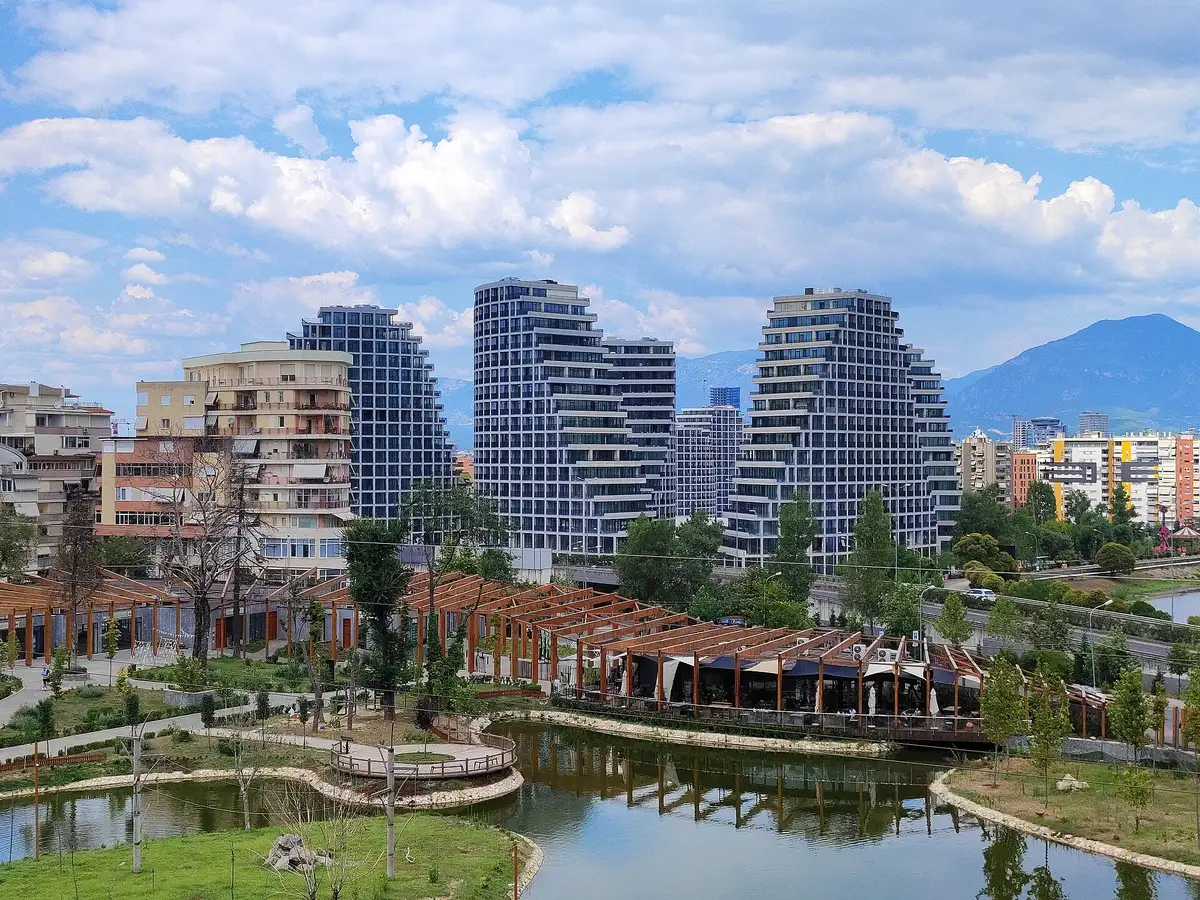
The e-Albania registration code
In late October 2026 the government reopened the draft “Law on Tourism” for public consultation. It would replace Law no. 93/2015. According to the text quoted by Kapitali and Argjiroja, the draft provides that short-stay accommodation units are registered on the e-Albania government portal before they start operating and are given a unique registration code.
Albanian press reports also describe these points:
- Who registers: apartments, villas and rooms let for a few days for payment, according to Mapo whether they are booked through platforms or directly.
- The code in listings: according to Kapitali and Argjiroja, the code must be displayed in every offer, advertisement or listing on electronic intermediary and booking platforms, such as Airbnb and Booking. Mapo and Top Channel describe it more broadly: in every advertisement or offer published online.
- Guests: electronic guest registration and a monthly report of visitor numbers, nights, nationality and age.
- Fines: for letting without registration and without a categorisation certificate, 20,000 to 50,000 lek for 1 to 5 rooms and 100,000 lek for 6 to 15 rooms; up to 100,000 lek for not filing the monthly data; up to twice the maximum when an offence is repeated within 12 months. The tourism inspectorate imposes them.
These are provisions of a draft, not obligations in force; article numbers and final amounts may change. The current law, no. 93/2015, already requires accommodation structures to hold a categorisation certificate and register guests electronically (article 43/1). How this applies to your apartment, especially if you let it as a private individual, is a question for the ministry responsible for tourism or an adviser.
Where to show the code on your website
The reports do not mention the owner’s own website separately. If the final text covers every offer published online, as Mapo and Top Channel describe it, your own page with prices and a booking button may be included too. Either way, the code there tells guests the property is registered. Once you have it:
- place it next to the price or booking button on each apartment’s page, since every unit has its own code;
- add it to the site footer with the owner’s or business name;
- include it in the confirmation email and in listings on Instagram, Facebook or MerrJep;
- check that each unit carries the same code on Airbnb, Booking and your site.
Until the law is adopted, you can prepare the place for the code without inventing numbers. This section is not legal advice.
Self check-in
Guests arriving late at night or on delayed flights often ask whether they can let themselves in. For owners who live abroad, it is often the only practical option. Self check-in saves time but needs precise instructions. The two common methods are:
- A key lockbox: cheap and simple. Change the code after each guest and ask the building administrator whether you may fit it near the entrance.
- A keypad smart lock: each guest gets their own code, valid only for their dates. It needs batteries and a spare key.
Access instructions do not belong on the public site. The site says that check-in is self-service and from what time; the full instructions go out after booking, by email or WhatsApp:
- the exact address and a map pin;
- photos of the building entrance, the lift and the door;
- the floor, apartment number and code;
- Wi-Fi, air conditioning, hot water and where rubbish goes;
- a phone number for emergencies.
Self check-in does not remove guest registration. Ask for ID details before arrival through a secure form and keep them only as long as you need them. Do not ask guests for passport photos in a chat where you do not know who has access.
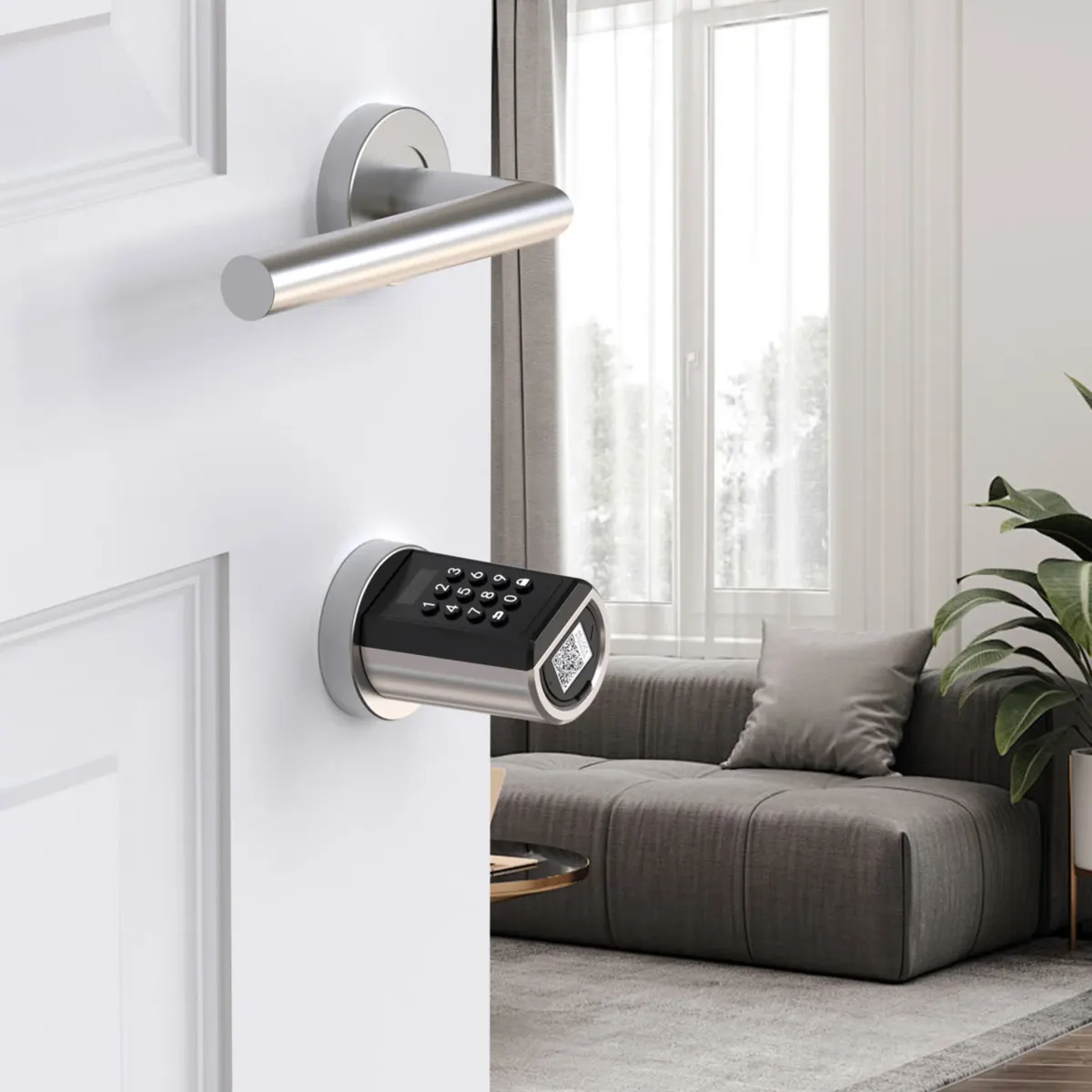
House rules, payment and deposit
House rules prevent many disputes when they are written before booking, not once the guest is inside. Keep them short:
- check-in and check-out times, and whether early check-in is possible;
- the maximum number of guests and whether visitors are allowed;
- quiet hours, smoking, pets and parties;
- who pays for damage and how the deposit is returned;
- cancellation terms: until when the prepayment is refunded, and how much.
A property in Albania has several ways to take payment: bank transfer, a card payment link from a bank or licensed institution, or payment on arrival. Many booking tools take prepayments through Stripe, which does not list Albania among the countries it serves, so ask the provider how guests will pay. State on the site how much is paid in advance, when the rest is due and in which currency.
Explain the damage deposit clearly: the amount, how it is held and within how many days it is returned after check-out. How short-let income is invoiced and taxed depends on whether you let as an individual or a business, so ask an accountant.
Pages for foreign guests
According to INSTAT, 12.47 million entries of foreign citizens were recorded in Albania in 2025. These are entries, not people, but they show how many guests read your site in another language. Google shows the English or Italian version when one exists; an automatic translation button does not create pages Google can find.
Translate the whole site, not just the headings: the apartment description, rules, cancellation terms, check-in instructions and image alt text. Each language has its own addresses, such as /en/ or /it/, and the language switch leads to the same apartment. We explain how to build and maintain these versions in bilingual business websites.
Write your phone number with the +355 prefix and say which languages you reply in. Guests who know this before booking are not surprised when they message you.
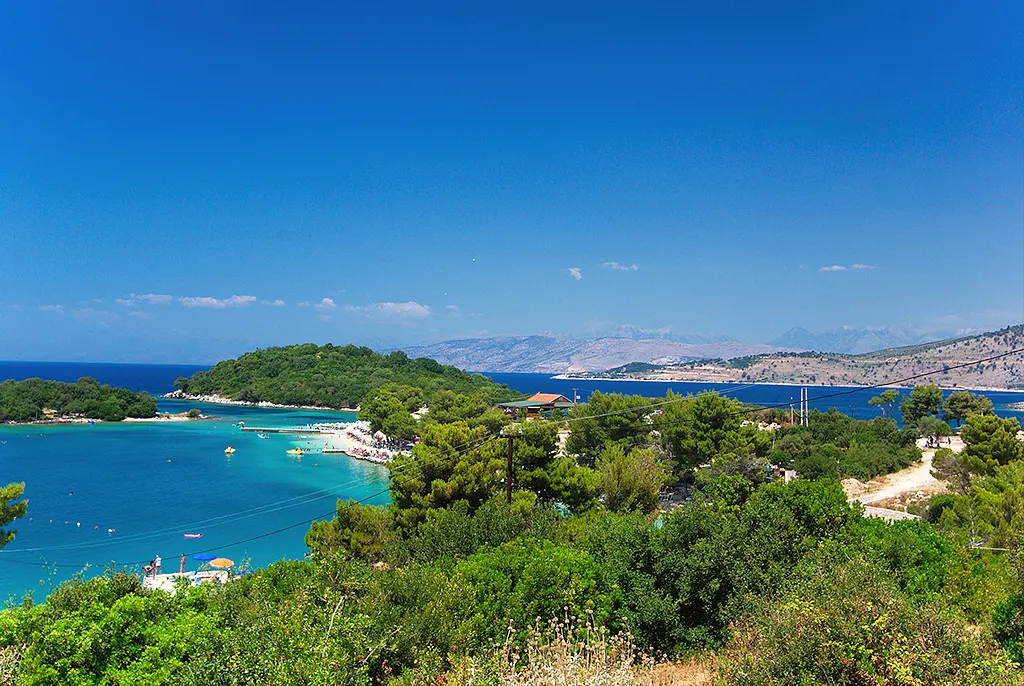
Photos, reviews and Google
- Photos: at least one photo of every room, the bathroom, kitchen, balcony and view, plus the building entrance and parking. Take them in daylight with the rooms tidy. Give each photo alt text describing what it shows: screen readers read it and Google uses it.
- Google Business Profile: Google’s eligibility rules do not allow a profile for rental properties such as holiday homes or apartments. The office of a business that manages properties is eligible when it has an address and hours where it receives customers.
- Rentals in Google search: Google shows holiday rentals in its travel results, but its help page says individually owned rentals are not eligible directly. Registered property management businesses with a booking website appear there, as do platforms connected to Google. For an owner of one apartment, the site is found mostly when someone searches for the property’s name.
- Reviews: reviews on Airbnb and Booking stay on the platform. Link to your profile there so guests can read them. After a direct stay, send guests a short message asking for their feedback. If you run a management office with a Google profile, see how to get Google reviews.
Illustrative example: two apartments in Durrës
An owner has two apartments near the beach in Durrës, one with a bedroom and one with two. Most bookings come from Booking and Airbnb, while families who return every summer message her on WhatsApp. She builds a site in Albanian and English, with a page for each apartment, photos of every room, walking minutes to the beach and prices for three seasons.
The site’s calendar is linked to both platforms by iCal; in July and August, when bookings arrive back to back, she confirms direct requests manually within an hour. Check-in is by keypad lock: the code and photo instructions go out the day before arrival, with the guest details form. She has prepared a place for the registration code next to each apartment’s price and in the footer, to fill in once she receives the codes. At the end of the season she compares how many nights came directly and how much commission she saved.
Checklist
- Does each apartment or villa have its own page, with real photos, capacity and what is included?
- Does the site show the total price for the selected dates, with cleaning and other fees?
- Is the calendar linked to Airbnb and Booking, and do you know how late it updates?
- Have you read the parity terms in your Booking contract?
- Is there a place for the registration code next to the price and in the footer?
- Do check-in instructions go out only after booking, with photos and an emergency number?
- Are the rules, deposit and cancellation terms written before the booking button?
- Are the English pages complete, including rules and image alt text?
- Who follows the draft law and updates the site when it is adopted?
Frequently asked questions
Do I need a website if I am on Airbnb and Booking?
The platforms bring new guests. The site serves returning guests, people who find you on Instagram or Google, and those who look up the property’s name before booking on a platform. With more than one apartment, it shows them all in one place.
Do I need the registration code now?
Not yet. According to press reports, e-Albania registration and the code are provisions of a draft law in public consultation. Follow its adoption and prepare the site so the code is easy to add; meanwhile, check what the current law requires, such as categorisation and guest registration.
How do I avoid double bookings without a channel manager?
Link the calendars by iCal in both directions, refresh them when you take a direct booking, and confirm requests for close dates manually. With three or more units, a channel manager usually pays for itself.
Can I take a card prepayment?
Yes, with a payment link from a bank or licensed institution, or through the booking software if it works with a payment gateway that accepts properties in Albania. Compare the options in accepting card payments in Albania.
We build websites for short-term rental apartments and villas, with a calendar linked to the platforms, pages in English and Italian and a place for the registration code. See our website design service or tell us about your property.